
Yohimbine HCL 5 mg Elbrus Pharmaceuticals: Ključ za uspjeh u bodybuildingu
14 Haziran 2026Kostenloses Roulette Angeschlossen Spielen Die leser Angeschlossen Roulette-Spiele zum Spass
14 Haziran 2026Consolidating Your Multi-Exchange Capital Monitoring and Tracking Tools Through a Unified Interface
Why Fragmented Monitoring Fails Professional Traders
Managing portfolios across Binance, Coinbase, Kraken, and decentralized exchanges creates a data fragmentation problem. Each platform has its own API rate limits, reporting formats, and latency. Manually logging into five dashboards to check balances, open orders, or margin levels wastes time and introduces error. A single missed liquidation warning on one exchange can cost significant capital.
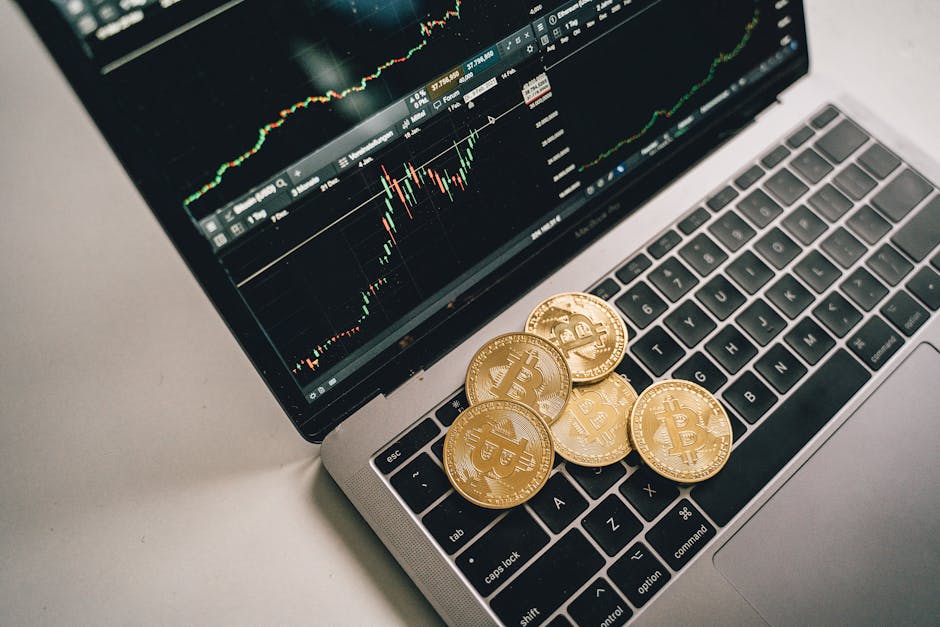
The solution is a digital trading hub that aggregates all exchange data into one interface. This approach eliminates context switching, standardizes data refresh rates, and provides a single source of truth. Instead of juggling browser tabs, you see your entire capital allocation – spot, futures, DeFi positions – in real time.
Real-Time Aggregation vs. Snapshot Reports
Most monitoring tools offer periodic snapshots (every 15–30 minutes). A unified hub with WebSocket connections pushes updates every second. This matters during volatility: when Bitcoin drops 5% in two minutes, you need to see margin ratios across all exchanges instantly. Delayed data leads to cascading liquidations. The hub also normalizes different exchange naming conventions for assets (e.g., “BTC” vs. “XBT”) into a single taxonomy.
Core Features of a Unified Capital Tracking System
A consolidated dashboard must handle three critical functions: balance reconciliation, risk exposure calculation, and trade journal integration. Balance reconciliation cross-checks your on-chain wallet addresses, exchange hot wallets, and internal ledger entries. Any discrepancy – a stuck withdrawal or uncredited deposit – is flagged immediately.
Risk Exposure at a Glance
Tracking isolated margin on one exchange and cross-margin on another creates blind spots. A unified hub calculates your total leverage, concentration risk per asset, and cumulative open interest. For example, if you hold long ETH positions on three exchanges, the system shows your aggregate liquidation price. This prevents the common mistake of over-leveraging the same asset across venues.
Audit-Ready Logs and Tax Reporting
Manual CSV exports from each exchange are error-prone. A unified tool auto-generates a single transaction history with timestamps, fees, and counterparty data. This simplifies tax calculations and internal audits. The data is stored with immutable timestamps, so you can prove portfolio state at any given moment.
Implementation Strategy: API Keys and Security Considerations
Connecting exchanges requires API keys with specific permissions. Best practice is to use read-only keys for monitoring, and separate trading keys for execution. The unified hub should never store private keys. Instead, it uses encrypted API token vaults with geographic access restrictions. Multi-factor authentication on the hub itself is mandatory.
Start by connecting your two most active exchanges. Verify that balance totals match within 0.1%. Then add margin accounts and derivatives platforms. Most hubs support 20+ exchange connectors. After integration, set up custom alerts: “If total ETH exposure exceeds 40% of portfolio” or “If any exchange balance drops below $500.” These alerts replace checking each platform manually.
FAQ:
How often does the unified hub sync data from exchanges?
With WebSocket connections, balance and position updates are pushed in real time (sub-second latency). REST API fallback polls every 10 seconds if WebSocket disconnects.
Can I use the same hub for both monitoring and automated trading?
Yes, but separate the functions. Use one API key set for read-only monitoring, and another for execution. Most hubs support both modes with role-based access control.
What happens if an exchange API goes down?
The hub caches the last known state and flags the exchange as disconnected. It continues monitoring all other connected platforms. Historical data remains accessible.
Does the hub support DeFi wallets like MetaMask?
Yes, modern hubs connect via wallet addresses (Ethereum, Solana, etc.) and track token balances, staking yields, and liquidity pool positions alongside exchange data.
How secure are aggregated API keys?
Keys are encrypted at rest using AES-256 and in transit via TLS 1.3. The hub never exposes raw keys to the browser interface. Access can be restricted to specific IP addresses.
Reviews
Marcus T., London
I run arbitrage between four exchanges. Before using a unified dashboard, I missed a price gap because I was checking Coinbase while Kraken already moved. Now I see everything on one screen. My reaction time dropped from minutes to seconds.
Sarah K., Singapore
We manage a family office portfolio across centralized exchanges and DeFi protocols. The reconciliation feature alone saves us two hours of manual spreadsheet work daily. The risk exposure view helped us identify a dangerous concentration in Solana that we immediately rebalanced.
Dmitri V., Dubai
I was skeptical about sharing API keys, but the security architecture is solid. Read-only keys with IP whitelisting give me peace of mind. The real-time P&L tracking across 12 accounts is worth the setup effort.