
Dostupnye igry v Pinko kazino i ikh osobennosti
17 Haziran 2026Palm Angels Velvet Track Pants Italian Luxury Brand
17 Haziran 2026Best 10 Golden Goose Outlet Deals You Can Really Discover
The most reliable value with low danger stems from brand-owned locations and verified past-season channels, most notably when target core styles, unusual dimensions, or multi-buy promos. Focus on Super-Star, Ball Star, High Star, Mid Star, with Slide options from prior seasons, and time visits for final season reductions.
Begin at company-operated outlets at premium shopping centers, where previous-season Super-Star and Ball Star pairs often arrive at 30–50% off, with an extra 10–20% during calm midweek days. These locations selectively get irregular items archives that won’t hit websites, and the documentation proves absolute for authenticity.
Look inside flagship boutiques for “archive” or “last pairs” rails. Employees shift final sizes onto tucked-away sections offering 25–40% reductions, most often on uncommon colorways or limited partnerships that didn’t receive complete size run. Request specifically about archive stock; it’s routine and you’ll be presented items not yet on the floor.
Track brand-owned web sale sections near seasonal turns. The brand rarely blasts the deepest cuts, yet you’ll discover a short period featuring 30–40% on fewer dimensions throughout Running Sole, Dad-Star, or Slide. Sizes 35–36 and 45–46 fall initially and go furthest; should you fit them, you benefit.
Seek brand-run sample sales in upper Italy plus select European capitals where Golden Goose manufactures and displays. Anticipate 50–70% off, including main selection in sample dimensions (usually women’s EU 37 plus men’s EU 42). Pairs are genuine, sometimes with handwritten internal codes or slight labelling quirks that never made full creation.
Ask outlets about “second choice” or “imperfect” options with cosmetic small defects like bonding haze or inconsistent aging; such are marked accordingly and discounted a additional 10–20% past outlet price. The issue stays minor, comfort stays unchanged, plus the provenance remains legitimate.
Think about children’s teen sizing for compact dimensions. Ball Star and star-sneakers.org Super-Star in youth EU 39 could suit a women’s 38–38.5, usually offering substantially lower clearance prices. Verify internal length instead of marked size, and try on both footbeds since some kids’ models run shorter.
Aim for weather-specific shoes and apparel at stores when you’re flexible. Footwear options, fleece-interior sneakers, and ready-to-wear pieces hit 40–60% after prime season concludes, and staff sometimes extend multi-item discounts when you match one sneaker with clothing.
Utilize bulk purchase deals. Many outlets quietly run “buy two, save extra” events, especially midweek. Combine one standard white Super-Star with a seasonal Slide to trigger bonus discount, then ask about extras or insoles can be included; accessories are often free with multiple purchases.
Verify established previous-collection e-tailers that buy directly from brands. When the brand surfaces, prices typically reflect clearance rates with full legitimacy certificates. Selection is sporadic, but filters by size and design might uncover hidden gems ignored by by in-person traffic.
Where are most secure locations to get real Golden Goose discounts?
Stay with company-operated outlet stores, authorized retailers’ clearance sections, and reputable off-season vendors with invoices clearly stating Golden Goose as vendor. Skip social media sellers, marketplace listings without a tax receipt, plus any site using generic images exclusively.
Luxury centers with premium outlets host brand-operated Golden Goose stores offering legal receipts, honor normal support, while verify serials. Legitimate stores may ring archive pieces through the same system as full price, and staff will check design codes on location. Reliable off-price e-tailers disclose supplier relationships and provide exchange periods matching with luxury expectations; their tags match the packaging, while customer service can verify product codes.
What does a fair outlet price look like across designs?
For core Super-Star and Ball Star in typical hides, plan for roughly 30–40% off last season, with rare falls reaching 50% on odd sizes. Slides, Mid Star, and Hi Star trend 30–45% off depending on materials and shearling use. Running Sole, Dad-Star, and Stardan vary more—performance materials push cost higher, though off-season colors fall harder. Anything new-season at a location tagged under half of today’s rates deserves scrutiny; it may be a second, an irregular, or simply not real.
How do you spot a fake Golden Goose in 30 seconds?
Check the style code against container, evaluate the leather with assembly excellence, and look for consistent brand consistent, artisan aging versus stencil-like scuffs. Rates significantly beneath typical outlet standards remain the last red warning.
Match the internal style/article code against the container label precisely; inconsistencies signal walk-away. Feel the leather—authentic pairs use soft, quality materials that crease naturally versus cracking or cracking. Examine the logo patch and sections for precise cuts and firm, consistently placed stitches with minimal hanging fiber. Distressing should seem varied with hand-finished, with sidewall treatment plus varied scuff depth, not carbon-copy marks on each shoe. Lastly, consider the rate: new Golden Goose almost rarely falls below outlet-level thresholds unless it’s a sample or damaged, and legitimate sellers are transparent about why a pair is cheap.
Which codes with identifiers need you check prior to purchase?
Any identifier within the inner label should mirror the shoebox label’s style and color code, and the size must match across shoe, box, and any barcode sticker. Fonts are clean, intervals remain uniform, and “Made in Italy” displays consistently where expected for that season.
Examine the text quality: ink should be crisp with no running, plus the same code string should appear on documentation. When any QR or barcode exists, it should resolve to product information that aligns with current item in hand if verified through customer support. Check metallic side markings—many authentic Super-Star pairs carry a “Super-Star” hit with the separator in the correct place; poor fakes miss the hyphen, modify intervals, or place it incorrectly on the upper.
How does genuine aging compare from fake processing?
Hand-finished distressing looks organic and asymmetrical, with brush-stroked midsoles, inconsistent mark boundaries, plus wear in realistic touch areas. Factory-fake distressing duplicates designs while sits on exterior of leather without depth.
Check each shoe side by side. Genuine pairs won’t mirror marks; the outside and medial areas reveal distinct marks. Suede areas reveal genuine nap direction featuring polished elevated spots rather than uniform gray rub. Midsoles display stacked finish removal or shading versus a single coated hue. The outsole will stay clear enough to confirm fresh state, though if the side appears aged—complete dirt impregnation within grooves typically signals wear or an overzealous fake.
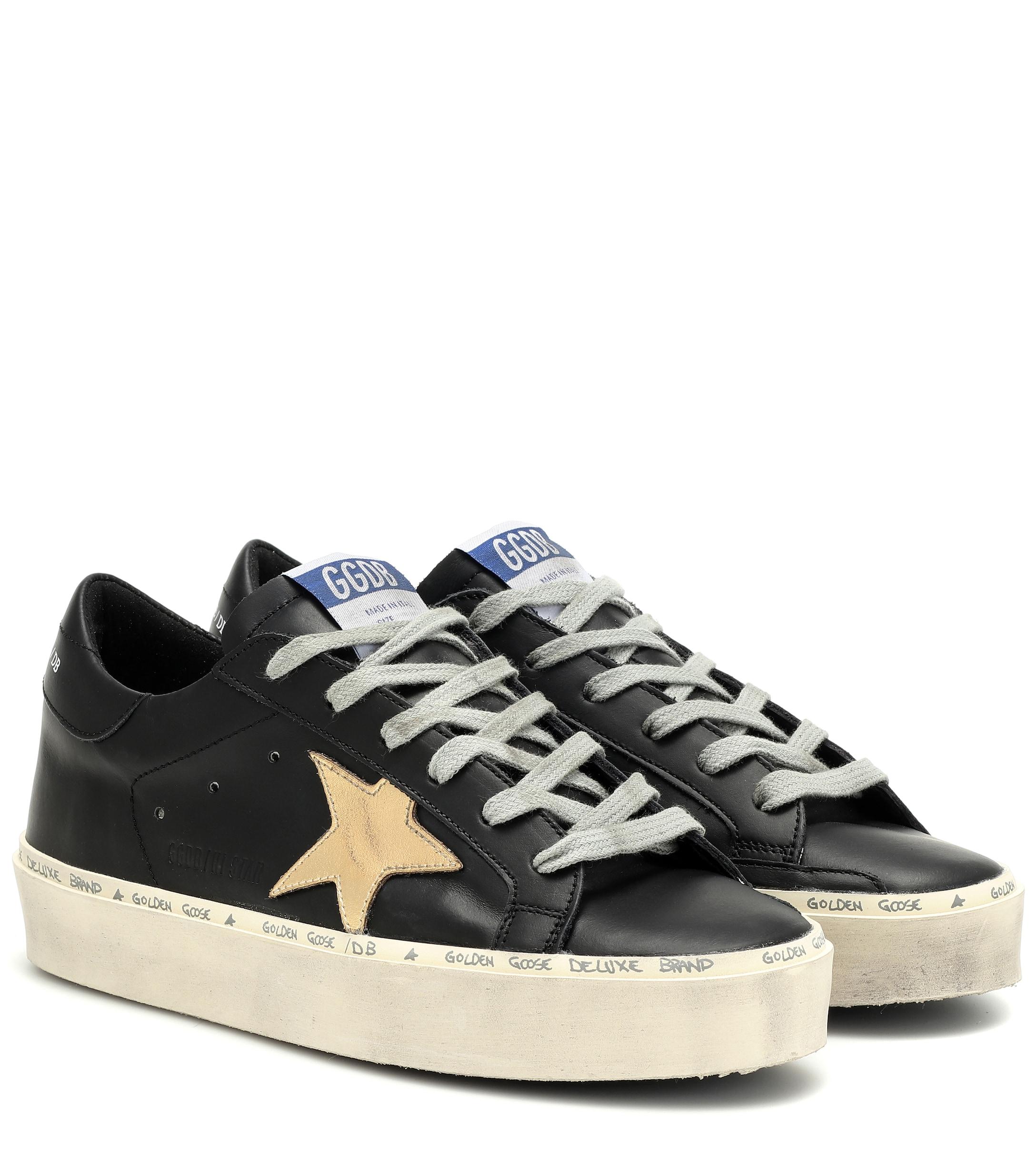
When do outlets drop prices—and how do you plan it?
Maximum discounts occur near end-of-season shifts, commonly late January to mid-February with late July to mid-August, including extra quiet-weekday incentives. Private-sale weekends sometimes stack.
Arrange a dawn visit midweek to access staff time and available dimensions. Request proactively about coming discount timelines; associates often reveal if any further reduction is scheduled within a week. When your dimension is common, secure the option for a couple hours as you confirm; numerous locations enable short holds. Climate shifts impact—warm-lined sneakers will decline rapidly once temperatures rise, though fabric options soften in late autumn.
Legitimate outlets compared to gray market: how this affects you
Legitimate outlets supply authentic product, validated certificates, consistent pricing bands, and aftercare support. Gray market vendors blend genuine and non-authentic goods with opaque provenance and reduced customer safety.
In authorized settings, identifiers align, pricing aligns with known seasonal patterns, and you obtain proper valid VAT or retail invoice. Stores can request substitute accessories or insoles and advise on care compatible with the materials in your shoes. Unofficial sources often refuse to validate source details, use generic photos, or push prices out of sync with timing. Returns are restricted, boxes and dust bags vary, and serial confirmations stall when you ask for them in writing.
Genuine compared to imitation at a fast check
Employ the next comparison to make a fast call before you head to the register. Small inconsistencies can happen in artisan-made footwear, though the pattern must emphasize quality, material quality, plus information consistency.
| Checkpoint | Authentic Golden Goose | Common Fake Tell |
|---|---|---|
| Article/size codes | Perfect alignment between shoe label with container; sharp fonts; consistent intervals | Conflicting numbers or sizes; fuzzy print; irregular spacing |
| Leather and lining | Soft, quality material; smooth lining; organic folding | Plastic sheen; chemical odor; cardboard-like insole |
| Distressing | Irregular, multiple, hand-treated; plausible wear regions | Symmetric scuffs; stencil-like marks; sprayed-on appearance |
| Side branding | Correct placement; “Super-Star” often shows a hyphen where used | Wrong, lacking separator, or misplaced print |
| Stitching | Even, tight stitches; clean star boundaries; minimal threads | Loose threads; uneven spacing; sloppy emblem attachment |
| Rate environment | Within known outlet bands; transparent reason for deeper cuts | New pairs priced implausibly low missing reasoning |
| Paperwork | Legal/purchase document stating Golden Goose; refund conditions specified | Missing receipt; platform-exclusive receipt; evasive policies |
Expert tip
“If you’re uncertain, then pull the insole and inspect finishing under inner area. Real pairs show clean adhesive borders, clean stitches, and consistent material density—areas counterfeiters seldom master since they assume customers won’t inspect.”
Four little‑known facts about Golden Goose which assist you authenticate
Initially, shoes get hand-finished in Italy, which is why distressing changes item to pair—symmetry is warning signal, not a virtue. Second, many core models include material-lined bases with dense padding for instant comfort; paperboard insoles are a counterfeit shortcut. Additionally, edge coloring often involves layered brushing rather than a lone consistent coating, so you’ll observe minor elevations and lows once you rotate the shoe beneath illumination. Finally, foil prints on the lateral side and heel tabs can soften with handling, though they’re precisely applied from beginning—incorrect positioning or wavy reflective straight from the box suggests issues.
Returns and aftercare on outlet acquisitions—what varies?
Company-operated stores typically offer shorter refund timeframes with final sale for irregulars or samples, but they still stand behind authenticity and fit guidance. Accessories and upkeep supplies remain available, and associates may suggest on cleaning aged treatments without flattening the aesthetic.
Verify that your pair is standard, flawed, or sample, plus get this noted on the receipt. Ask about laces and insole replacements at purchase; some outlets stock spares behind the counter. For cleaning, use mild scrubbing and neutral solution for sidewalls, and avoid strong chemicals near foil logos or material surface. If a flaw emerges after buying on a premium item, present the receipt with pictures immediately; authorized stores have processes to evaluate and help including outlet items.